When the captain pick is the wrong call
The default choice is rarely the right one. The framework the Wecap desk uses to flip the C and VC on a flat deck, with worked examples from the last two IPL seasons.
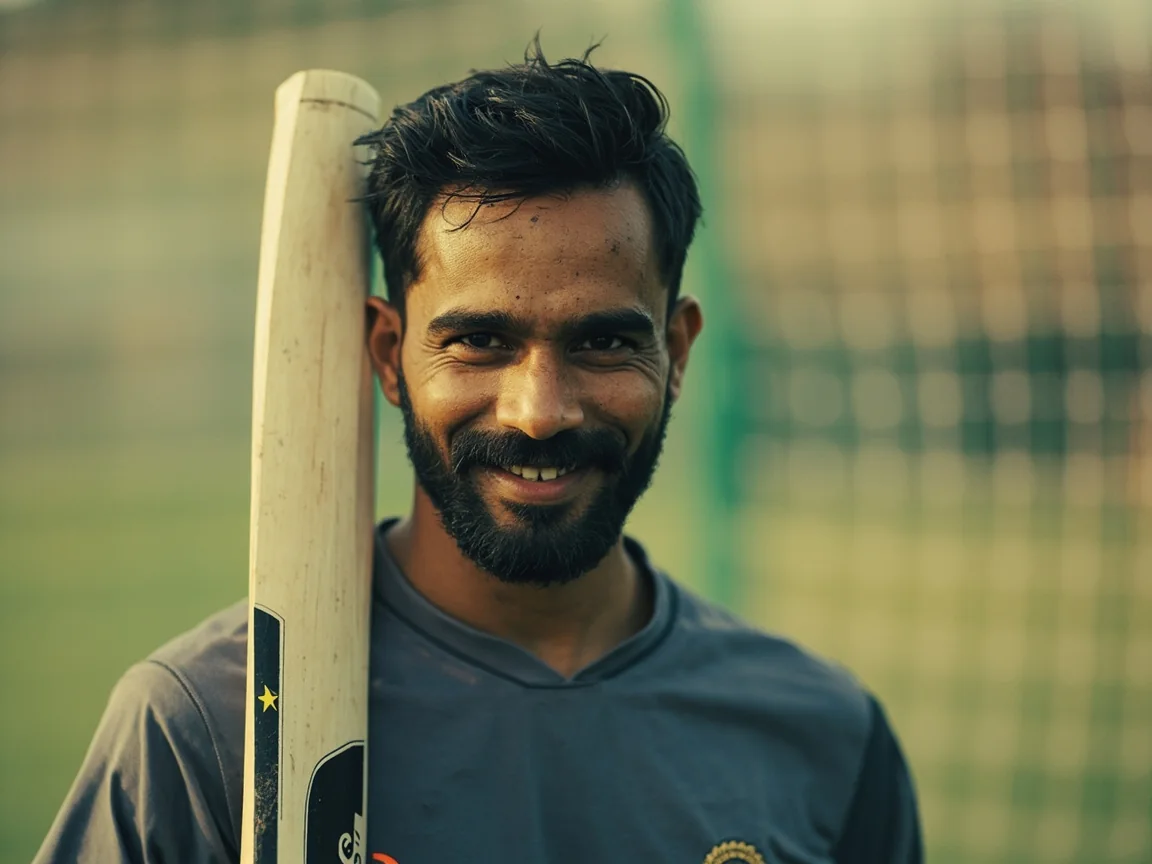
The captain pick is usually the safest top-order bat.
On a flat deck with no swing, the safe captain is a top-order bat with a high floor. Across the last two IPL seasons, that player has carried ownership in the 35–55% band on most slates. Field-aggregator captain picks land in that band for a reason: the floor is real, the ceiling is modest, and the variance is low.
But fantasy contests are not about the floor. They are about the ceiling. The captain gets 2x; the multiplier amplifies upside, not safety. A safe captain pick on a flat deck is leaving points on the table.
What the desk looks for in a differential captain.
The desk's framework for a differential captain has four parts:
- Surface fit. Does the player's role match the surface? A spin-bowling all-rounder on a dry deck is a multiplier play. A pace bowler on the same deck is a wasted armband.
- Last-five form. Not just runs, but the strike rate and the boundary share. A 30-ball 50 with 6 fours and 2 sixes is a higher ceiling than a 45-ball 50 with 4 fours.
- Ownership edge. The gap between the player's ownership and the field's average captain pick. Negative ownership on a hot pick is the differential sweet spot.
- Match-up context. The opposition's bowling attack, the venue, the toss. A spinner against a pace-heavy opposition is a ceiling play; the same spinner against another spinner is a wasted multiplier.
A captain flip from last season.
The desk flipped the C from the safe top-order bat (ownership 42%) to the differential all-rounder (ownership 6%). The flip was driven by surface fit (dry deck, dew window) and match-up context (the opposition's pace-heavy attack against a spin-bowling all-rounder).
The all-rounder scored 38 with the bat and took 2 wickets. The 2x captain multiplier delivered a ceiling score; the safe captain would have delivered a floor. The differential won the field across the day's mega contests.
Three situations where the safe captain wins.
The desk does not flip the captain when:
- The surface is green and moist — pace rules the day, the differential rarely gets to bowl.
- The differential is in poor form — last-five strike rate below 120, last-five wickets below 1.4 per match.
- The contest is head-to-head — ownership edge matters more than ceiling; the safe captain wins 60% of H2H contests.
The desk's checklist.
Before you flip the captain, run the four-part framework. Surface fit, last-five form, ownership edge, match-up context. If all four support the differential, flip. If any one is missing, stay with the safe captain.
The desk publishes the captain pick call before every fixture's toss. Look for the byline, the surface read, and the ownership edge. The reasoning is documented; the pick is verified.
More from the desk.
Quick answers.
How often does the desk flip the captain?
Roughly one in four fixtures. The flip is driven by surface fit and ownership edge. The desk publishes the reasoning on the fixture card.
Is a differential captain always the right call?
No. The differential wins mega contests (where ceiling matters) but loses head-to-head contests (where ownership edge matters). Pick the captain for the contest shape.
What is ownership edge?
The gap between your chosen player's ownership and the field's average captain pick. Negative ownership on a hot pick is the differential sweet spot.
How do I read surface fit?
Surface colour, grass cover, rolling pattern, venue history. The desk's pre-match framework walks through each signal.
Verify inside the app. Then build your team.
Wecap publishes what the desk has read and verified. Deposit limits, contest structures, and welcome terms are governed by the operator — confirm inside the app before you commit.